01
Manufacturers and exporters
Regular and project exports aligned with production, loading, vessel departure and delivery.
Sea freight · containers · global routes
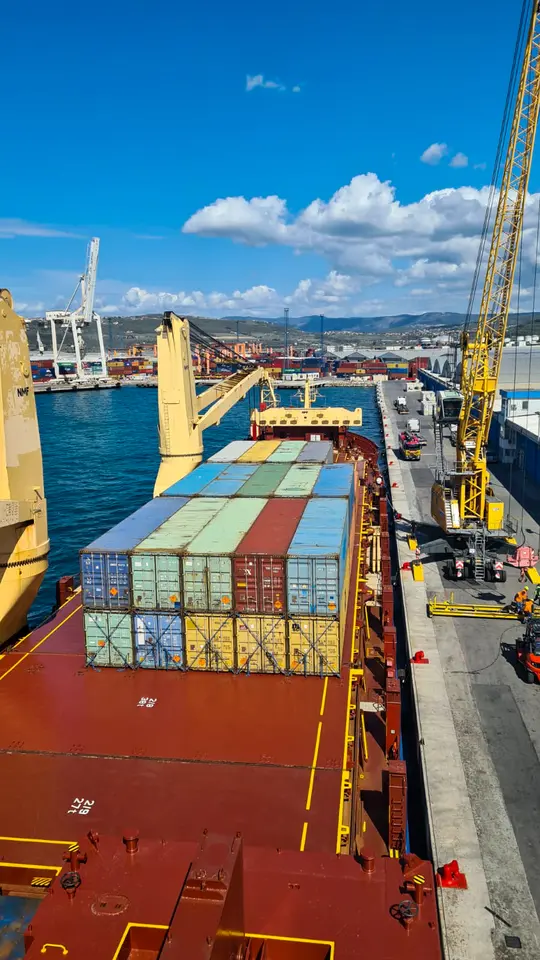
Jalog coordinates sea transport for containerised, palletised and project cargo, connecting the port, customs documentation and inland delivery into one clear transport chain.
When sea freight makes sense
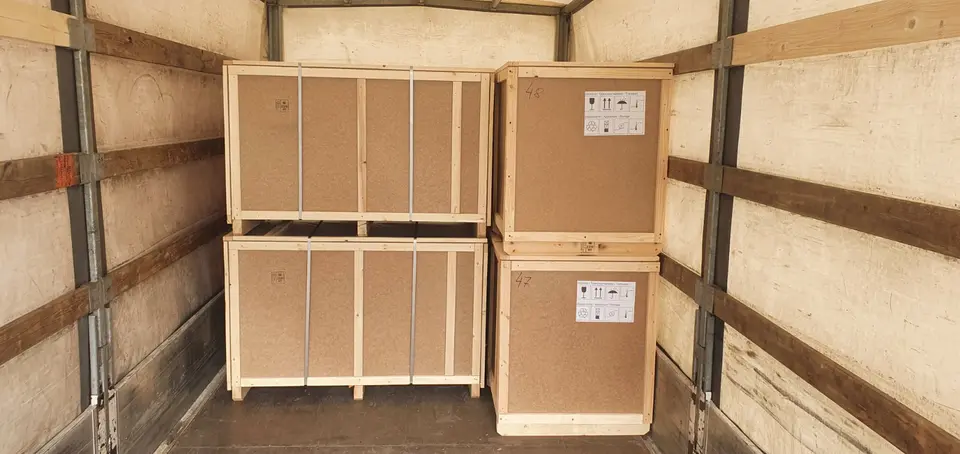
Sea freight for palletised, containerised and project cargo. Jalog coordinates imports, exports, ports, customs documents and inland delivery.
Jalog connects the necessary transport modes, documents, handling steps and partners into a solution based on the real cargo and route.
Who the service is for
Every enquiry is assessed against the actual cargo, dates, locations, handling needs and regulatory constraints.
Regular and project exports aligned with production, loading, vessel departure and delivery.
Containers and individual shipments moving from port to warehouse, plant or consignee.
Non-standard cargo requiring individual planning of handling, routing and connecting transport modes.
How we work
A clear brief helps us assess feasibility, select the right partners and prepare a quotation that reflects the real shipment.
We review volume, weight, packaging, commodity, deadline and delivery terms.
We compare suitable ports, departures, transit times and pre- and on-carriage options.
We align documents, partners, port processes and connecting road or rail transport.
Frequently asked questions
These answers cover the information most often needed before we can assess a route and prepare a quotation.
Usually larger, heavier or regular shipments where air-freight speed is not essential.
Yes. The sea route can be connected with road or rail transport between the shipper, port and final consignee.
Dimensions, weight, number of pieces or container type, collection point, destination, deadline, Incoterms and commodity details.
Yes, subject to dimensions, weight, packaging, handling requirements and a suitable route.
Sea freight enquiry
Jalog will assess the route, operational requirements and available transport options, then prepare a quotation.