01
Engineering and machinery
Machines, production lines and industrial equipment requiring planned lifting and transport.
Project cargo · heavy lift · non-standard shipments
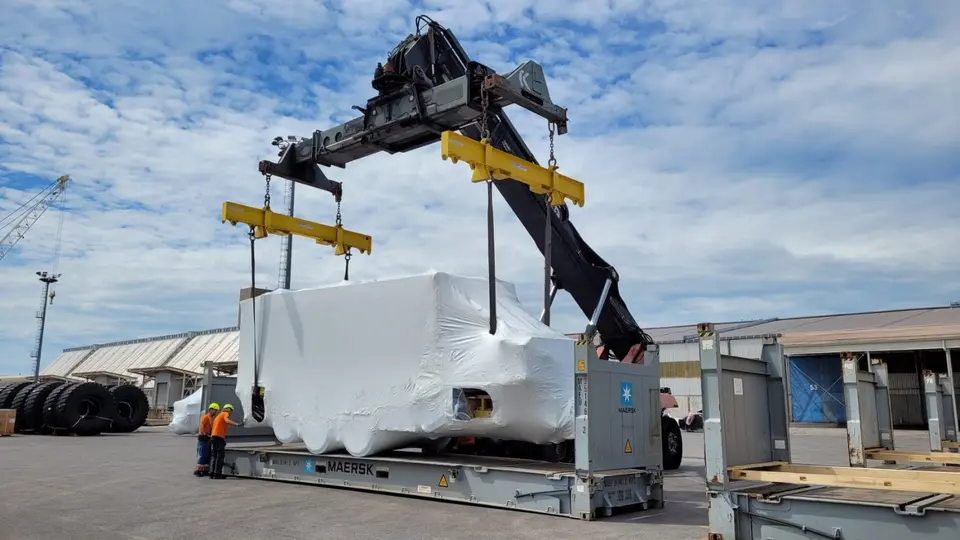
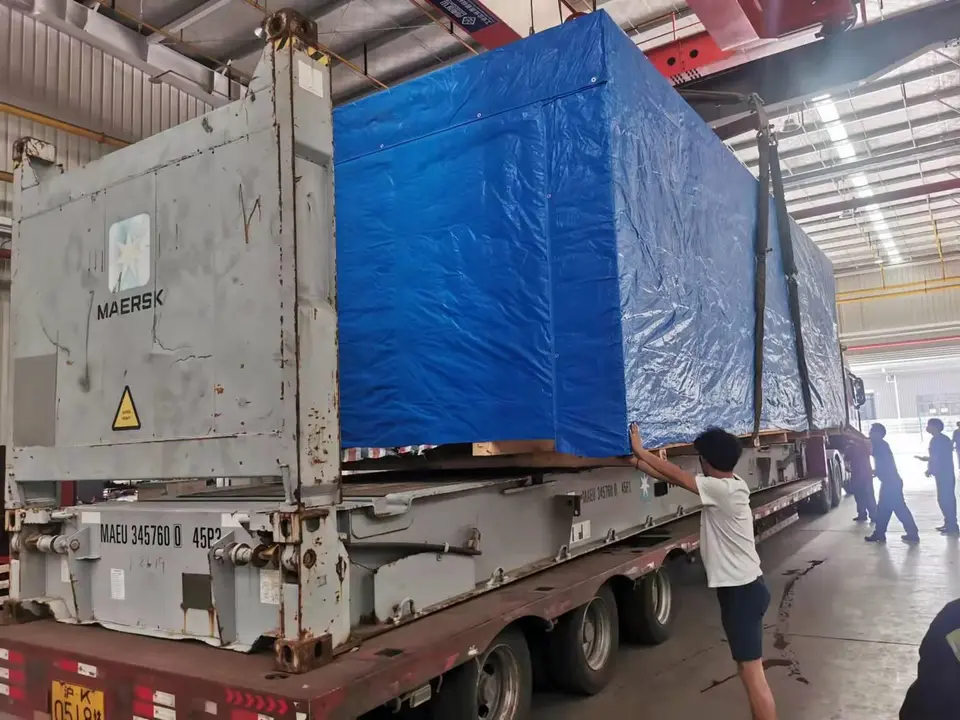
Jalog prepares transport chains for cargo that cannot be handled as a standard shipment. Dimensions, lifting points, packaging, access and route constraints are assessed before a solution is proposed.
When project cargo makes sense
Transport planning for heavy, oversized and non-standard cargo, including handling, route assessment, permits and connecting transport modes.
Jalog connects the necessary transport modes, documents, handling steps and partners into a solution based on the real cargo and route.
Who the service is for
Every enquiry is assessed against the actual cargo, dates, locations, handling needs and regulatory constraints.
Machines, production lines and industrial equipment requiring planned lifting and transport.
Large components moving to sites with specific access and unloading conditions.
Complex shipments combining several transport modes, partners and operational milestones.
How we work
A clear brief helps us assess feasibility, select the right partners and prepare a quotation that reflects the real shipment.
We review drawings, dimensions, weight, lifting points, packaging and site access.
We assess vehicles, equipment, permits, restrictions and transfer points.
We align suppliers, carriers, sites, documents and the agreed project schedule.
Frequently asked questions
These answers cover the information most often needed before we can assess a route and prepare a quotation.
Cargo that needs individual planning because of its size, weight, value, handling or route complexity.
Drawings, dimensions, weight, photographs, lifting points, collection and delivery details and the required date.
Yes. Project cargo commonly combines road, sea, rail or air transport with specialist handling.
Permit requirements are identified during route assessment and coordinated according to the selected solution.
Project cargo enquiry
Jalog will assess the route, operational requirements and available transport options, then prepare a quotation.